


Owning an RV is about more than transportation. It is about freedom, comfort, and bringing your home wherever the road leads. Whether you are exploring the California coast, camping in the desert, or parking at a site here in Fontana, your RV is both a vehicle and a living space. Keeping it in top condition means paying attention to the coach side, which includes the roof, slide outs, appliances, plumbing, electrical, and interior. Many owners stay on top of obvious issues such as roof leaks or appliance failures, but miss small repairs that quietly grow into expensive problems. At Leisure Coachworks, we help RVers catch the little things before they become trip-ending headaches. Here are the top 10 most overlooked RV repairs on the coach side — and what you can do to stay ahead of them.
1) Roof Seals and Seams
The roof of your RV is your first line of defense against the elements. California sun bakes seals until they dry and crack. Rainwater finds the tiniest gaps. Dust and debris wear down protective coatings. Even a pinhole in a seam can lead to interior water damage, mold, and rot. The mistake many RV owners make is waiting until they see a visible water stain on the ceiling. By then, damage may already be widespread. Instead, schedule inspections and reseals at least once a year. After every long trip, walk the roof, check sealant around vents, skylights, and seams, and repair any cracks immediately. For step-by-step instructions, check out our RV Roof Maintenance Guide which explains how to clean, seal, and maintain your roof.
Pro Tip: Never use household caulk. RV roof sealants are flexible and UV resistant, designed to expand and contract with temperature changes.
2) Slide-Out Mechanisms and Seals
Slide outs make an RV feel roomy, but they introduce complexity. Motors, gears, cables, and tracks all need periodic service. Dust and road grime collect on seals, reducing their ability to keep out water and pests. Common owner mistake: extending or retracting a slide without cleaning the seals first. Dirt grinds into the rubber, shortening its life. Another oversight is ignoring small leaks around the slide corners, which often show up only during heavy rain. Routine lubrication of moving parts and conditioning of rubber seals prevent costly failures. See our post on When It Is Time for Slide-Out Repair or Maintenance.
Pro Tip: Run slides at least once a month when stored long term. This keeps motors exercised and prevents seals from hardening.
3) Water Heater Maintenance
An RV water heater works hard but is often forgotten until it fails. Sediment buildup in the tank reduces heating efficiency. Anode rods corrode and stop protecting the system. Owners often leave water in the tank during storage, which leads to rust and damage. The cost of replacing a water heater can run into the thousands, while an annual flush and inspection are relatively inexpensive. Check out our Repair & Maintenance Overview for more details on water system service.
Pro Tip: Always drain and bypass your water heater before winter storage, even in milder climates like Southern California.
4) House Batteries and Electrical Systems
House batteries are the heartbeat of your living quarters. They power lights, fans, water pumps, refrigerators, and electronics. Many RVers run into problems because they store their RV for months without a battery maintainer. Deep discharges and sulfation cut the lifespan of batteries dramatically. A quick battery check every month saves frustration. Look for swelling, corrosion, and low fluid levels. Test with a multimeter to confirm voltage levels. See our DIY RV Maintenance Checklist for other simple electrical inspections.
Pro Tip: If you are switching to lithium batteries, make sure your converter, charger, and wiring are compatible.
5) Propane System Inspections
Propane is efficient and versatile, but it must be respected. Loose fittings, cracked hoses, or faulty regulators can cause leaks. Unlike a water leak, a propane leak is not just costly — it is dangerous. Have your propane system leak-tested every year, and always before a major trip. Replace rubber hoses every five to seven years regardless of condition. Read more in our guide on Major RV Repairs You Should Not Tackle Alone.
Pro Tip: Install a propane leak detector inside your RV if one is not already equipped. It is a simple upgrade that protects your family.
6) Sewer and Waste Systems
Black and gray tanks are often out of sight, out of mind. But failing to maintain them leads to clogs, odors, and sticky valves. Owners sometimes neglect to use tank treatments, skip flushing, or ignore small leaks under the coach. To avoid nasty surprises, flush tanks after every trip, use RV-specific chemicals, and lubricate dump valves. For more help, see our article on What to Do if You Have a Fresh Tank Leak.
Pro Tip: Never leave your black tank valve open at a campground. Liquids drain out and solids pile up, leading to a “pyramid plug.”
7) Air Conditioning Service
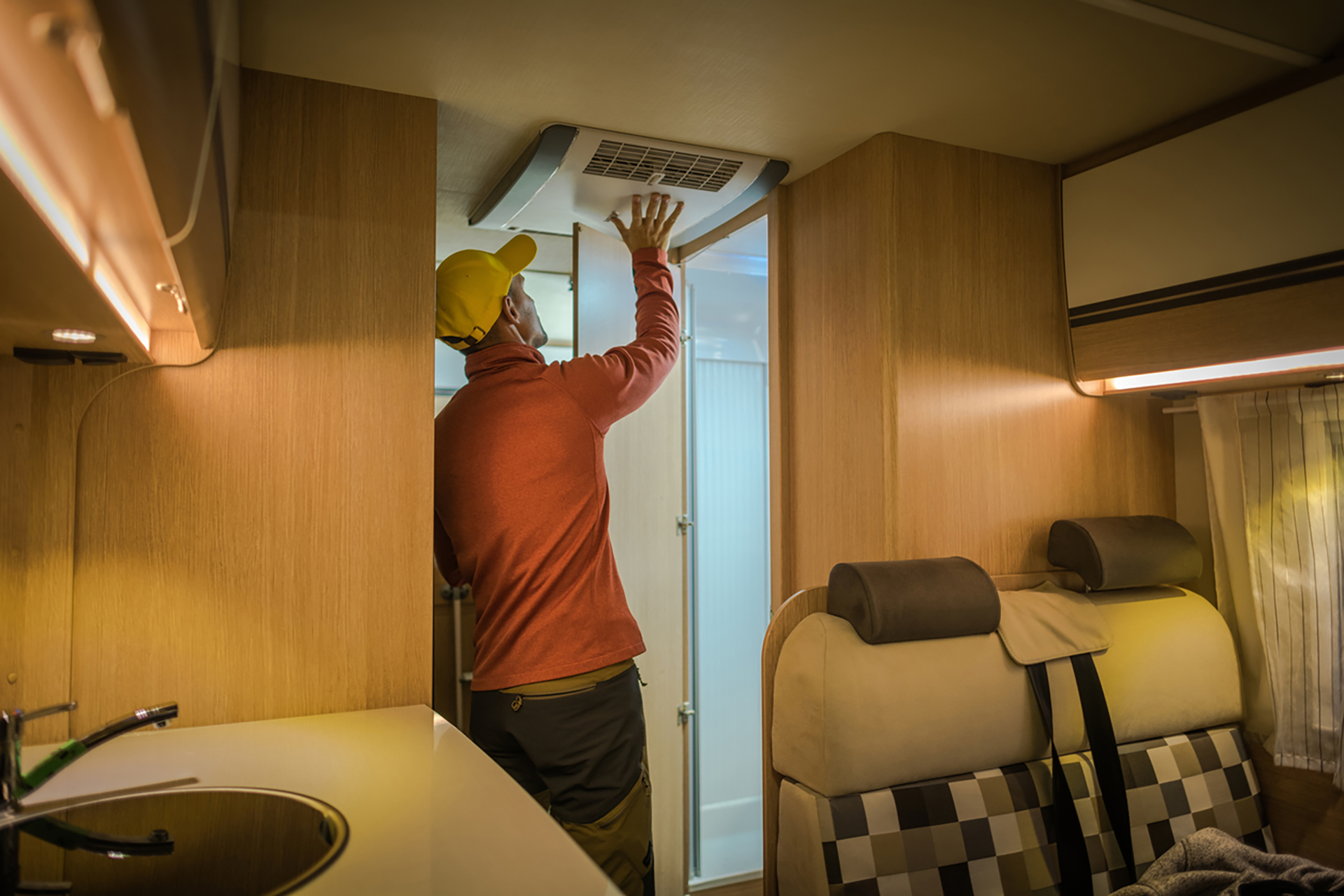
Southern California summers make your RV’s air conditioner one of the most important systems. Filters clog quickly in dusty areas. Drain pans collect mold and algae. Coils lose efficiency when dirty. The mistake many owners make is waiting until cooling performance drops before servicing. By then, the unit is already straining and may fail during peak heat. Seasonal cleaning and professional inspection ensure your system runs at full capacity. Check out our Tips for Maintaining Your RV’s Air Conditioning System.
Pro Tip: Clean or replace your A/C filter every month during heavy use.
8) Appliance Upkeep
Your RV appliances are subject to constant vibration and irregular use. Fridges go from full load to storage, stoves see fluctuating propane pressure, and microwaves bounce on the road. Small problems, such as clogged burner ports or loose wires, become major failures if ignored. Annual inspection of all appliances reduces the risk of mid-trip breakdowns. For example, swapping an old absorption fridge for a residential unit improves reliability and efficiency. See our guide: Install a Residential Refrigerator in an RV.
Pro Tip: Keep venting clear around appliances. Blocked airflow shortens their lifespan.
9) Window, Door, and Compartment Seals
Water intrusion is not always from the roof. Seals around windows, entry doors, and storage compartments wear out and allow moisture in. Drafts, pest entry, and squeaks are also signs of worn seals. Replacing weatherstripping or resealing windows is a quick and affordable fix. Review our DIY Maintenance Guide for simple inspection steps.
Pro Tip: Carry a small bottle of seal conditioner to apply on door gaskets during trips.
10) Interior Water Damage and Soft Spots
The most dreaded repair is hidden water damage. Leaks from roofs, plumbing, or windows often go unnoticed until you feel a spongy floor or see wall bubbling. By then, rot may have spread. Check under beds, inside closets, and beneath sinks for dampness. Catching leaks early is critical. See what hidden water damage can do in our post: This RV’s Damage Left Us Speechless. Pro Tip: Invest in a moisture meter. It helps detect leaks before they become visible.
Why These Repairs Get Overlooked
Most of these issues develop slowly. A water heater does not rust overnight, and a window seal does not crumble in a single trip. Because symptoms are subtle, owners overlook them. Another reason is mindset. Many RVers enjoy customizing interiors, planning routes, or adding new gadgets, but preventative care seems less exciting. Unfortunately, skipping these “boring” checks often means expensive surprises later.
Preventative Care Saves Money
Preventative care always costs less than emergency repairs. A twenty dollar tube of sealant may save a roof replacement. A thirty minute tank flush avoids thousands in plumbing repairs. The savings are not only financial. You also avoid lost travel days, towing costs, and trip cancellations. Preventative maintenance keeps vacations enjoyable and stress free.
Frequently Asked Questions
How often should I reseal my RV roof?
At least once a year. In Southern California’s sun, inspect every six months.
Do I need to run my RV’s air conditioner during storage?
Yes, cycle it once a month to keep components lubricated and seals intact.
What is the average life of an RV fridge?
Absorption fridges last about 10–12 years with care. Residential fridges can last longer.
Can I test for propane leaks myself?
You can do a basic soap-and-water bubble test, but professional testing is strongly recommended.
What signs indicate water damage?
Soft floors, warped paneling, bubbling wallpaper, musty odors, or discoloration.
Trust Leisure Coachworks in Fontana, CA
At Leisure Coachworks, our team specializes in the camper and living quarters side of RVs. From roof resealing to slide-out service, air conditioning repairs, waste systems, and appliance upgrades, we know how to keep your rig comfortable and road ready. We have helped countless RV owners in Southern California protect their investment and enjoy their travels with peace of mind. Whether you need a small fix or a major renovation, our technicians are here to help. Do not let overlooked repairs put your next adventure at risk. Stop by Leisure Coachworks in Fontana today or give us a call to schedule service. You will find us at 14642 Rancho Vista Drive, Fontana, CA 92335, or you can contact us online through our contact page.