


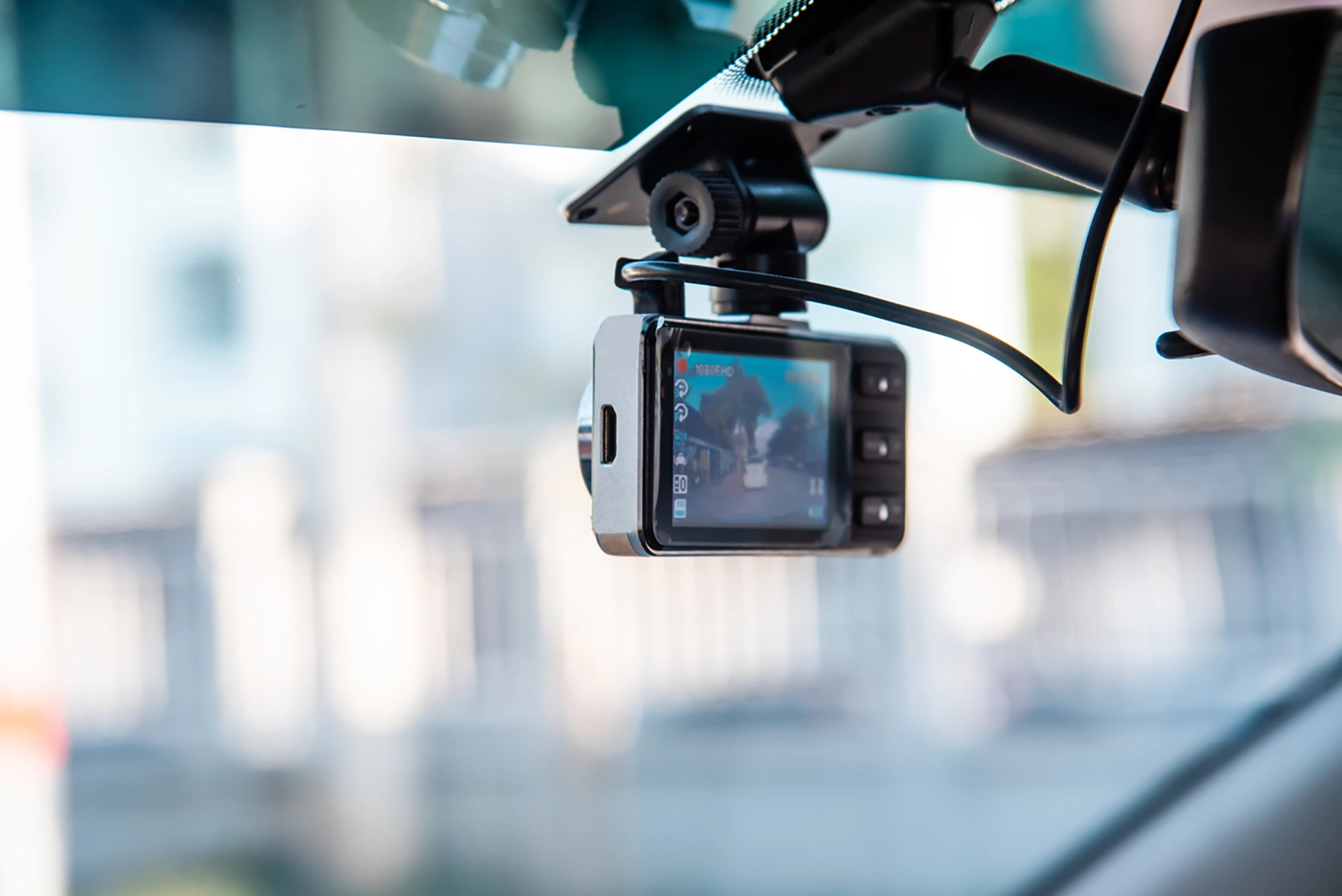
As road enthusiasts and adventure seekers, RV owners understand the importance of safety and security on the open road. One innovative tool that has gained traction in recent years is the dashcam system, which offers a valuable layer of protection while traveling. Designed to capture video footage of your journeys, a dashcam can provide crucial evidence in the event of accidents, enhance security while parked, and even offer peace of mind during long trips.
In this article, we’ll explore the many benefits of investing in a dashcam system for your RV, discuss essential features to consider, and guide you through the different types of models available on the market.
What is a Dashcam?

If you’ve ever wondered about those tiny cameras on the dashboard of some cars: a dashcam, short for dashboard camera, is a compact and nifty gadget that records video footage of the road ahead––much like a security guard that captures everything from scenic drives to unexpected accidents.
As more RVers hit the open road, dashcams have become the must-have accessory for discerning travelers. With the increase in road safety concerns, owners are recognizing the value of having another dependable eye on the road. It’s not just about capturing those picturesque sunsets (although that’s a nice bonus); it’s about protecting yourself and your investment during your travels.
Benefits of Installing a Dashcam in your RV
It sure sounds like a cool feature. But do you really need one? Here are some of the benefits of letting a dashcam capture your RV travels:
Enhanced Safety and Security
A dashcam acts as an extra set of eyes on the road, providing you with a sense of safety and security, especially during those late-night rest stops or while parked at an unfamiliar campground. You can take comfort in knowing that you’re one click away from documenting any suspicious activity.
Accident Documentation and Liability Protection
Accidents happen. But if you find yourself in a fender bender or worse, a dashcam can be your best friend. The footage can serve as irrefutable evidence, helping to clarify what really happened, which can be valuable when dealing with legal matters.
Peace of Mind While Traveling
Dashcams offer drivers the peace of mind that comes from knowing that they are prepared for anything the road throws their way. Whether that includes unexpected wildlife encounters or reckless drivers sharing the road with you, having the footage can take away a lot of stress.
Key Features to Look for in an RV Dashcam

These are the qualities to look for in a top-of-the-line dashcam that doesn’t necessarily break the bank but uses every feature to ensure your security on the road.
Video Quality and Resolution
Look for dashcams that offer at least 1080p resolution to ensure you can capture clear footage of those road trip moments.
Storage Capacity and Loop Recording
Dashcams continuously record, which means they can fill up memory cards fast. Choose a model with a decent storage capacity and loop recording capability, so it automatically overwrites the oldest footage.
GPS Functionality and Speed Monitoring
With built-in GPS functionality, many dashcams can track your speed and location, helping you relive your adventures later or providing crucial data should you ever need it.
Night Vision and Weather Resistance
Consider a dashcam with night vision capabilities to ensure you capture anything that goes bump in the night––and be prepared for all weathers with a weather-resistant model.
Types of Dashcam Systems for RVs
Single vs. Dual Camera Systems
A single camera captures footage from the front, but a dual camera system gives you the ability to cover both the front and rear views.
Front-Facing vs. Rear-Facing Cameras
Front-facing cameras are great for capturing all the action ahead, but a rear-facing camera can be invaluable, especially in tight parking situations or when backing up.
Hardwired vs. Plug-and-Play Options
Hardwired systems provide a clean look and seamless operation but may require a bit of technical know-how. Plug-and-play options are user-friendly and great for those who aren’t quite comfortable with electrical work.
DIY vs. Professional Installation

When it comes to installing your RV dashcam, you might be wondering whether to roll up your sleeves and tackle it yourself or call in the professionals. If you’re tech-savvy, a DIY approach can save you some money––in fact, many dashcams come with detailed instructions that even the most mechanically challenged users can decipher. However, a professional installation might still be your best bet.
Proper placement of your dashcam is crucial—after all, you want to capture those amazing road trip moments, not just the back of your seat. Ideally, the camera should be mounted on the windshield or dashboard facing forward, free from obstructions. Keep in mind the angle: low and level is usually best. You want to see the road ahead, not the sky or the hood of your RV. Some models even have rear cameras, which can be useful for squeezing into those tight camping spots.
Final Thoughts
Whether you’re a seasoned traveler or new to the RV lifestyle, understanding the advantages of a dashcam can help you make informed decisions for safer adventures ahead. But with various options available, it’s important to choose a system that best fits your needs and preferences.
Remember to do your homework: look for models with good reviews, ensure they have the features you really need (like night vision or GPS), and consider your installation options. After all, the right dashcam can turn your RV adventures into a magnificent collection of memories. So gear up, hit the open road, and let your dashcam capture it all.