

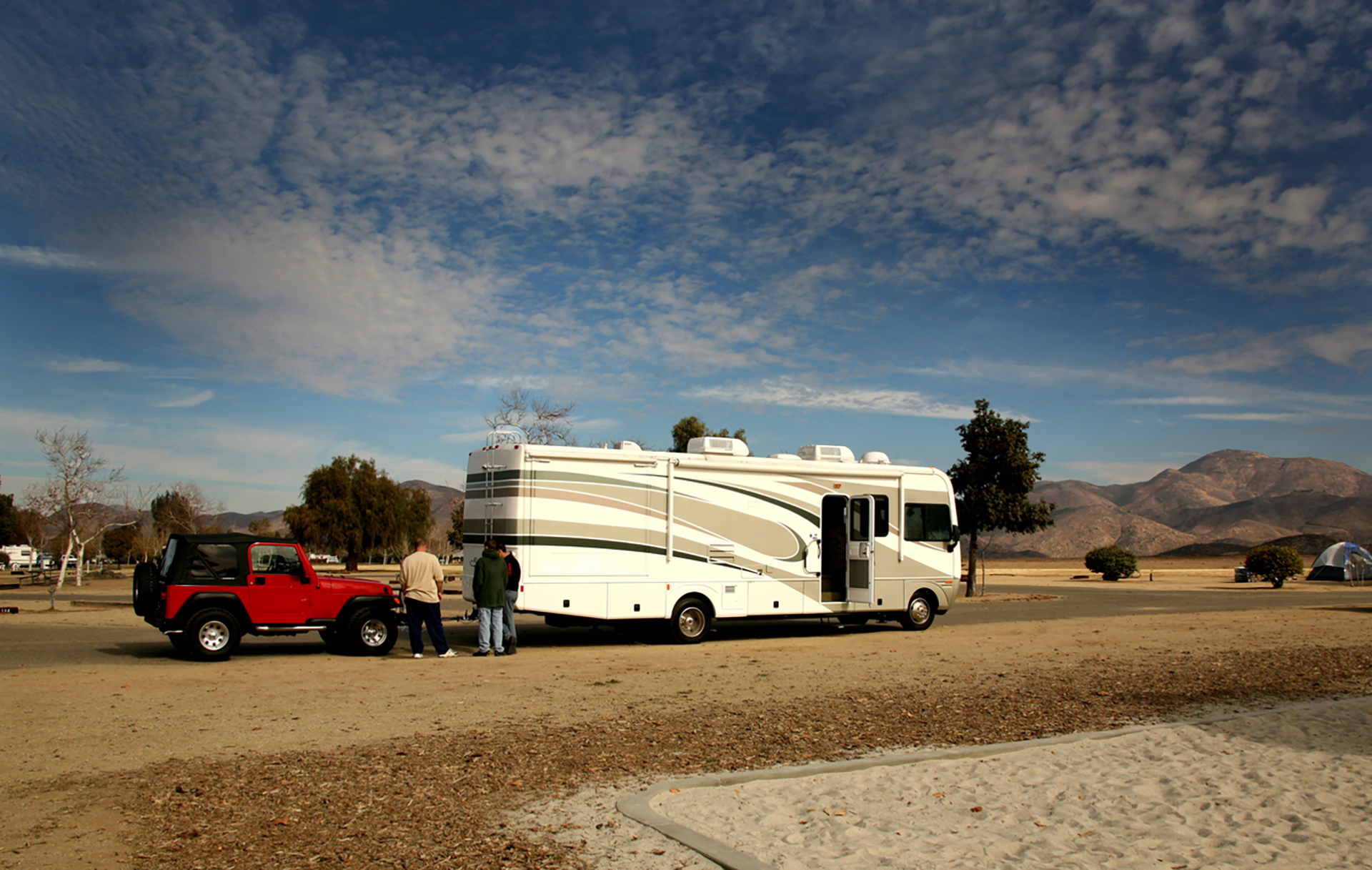
Hitting the open road in your own Recreational Vehicle is one of the greatest feelings in life. But what do you do about your personal car or truck? And how do you bring it along for the ride? Towing a vehicle with your RV can significantly enhance your travel experience, offering the convenience of having a reliable mode of transportation at your fingertips once you reach your destination. Whether you’re planning to explore local attractions, run errands, or venture off the beaten path, understanding the best options for towing is crucial.
In this article, we’ll explore the various methods of towing and examine the benefits and considerations associated with each. We’ll also provide insights on vehicle compatibility, necessary equipment, and legal regulations to ensure a safe and enjoyable journey.
Why Towing is Beneficial for RV Travelers
Towing a vehicle behind an RV offers numerous benefits for travelers seeking convenience and flexibility on their journeys. By utilizing a towable car, RV enthusiasts can explore remote destinations without the need to maneuver their larger recreational vehicles through narrow roads or congested urban areas. This facilitates easier access to attractions and activities that would otherwise be cumbersome to reach in an RV, allowing for spontaneous adventures and enhanced sightseeing opportunities.
Additionally, towing a smaller vehicle significantly enhances fuel efficiency, as RVs typically consume more fuel when fully loaded compared to operating a lightweight towing setup. This combination of practicality and economic advantages helps ensure that travelers can maximize their enjoyment while minimizing logistical challenges and fuel costs.
Types of Towing Options
When it comes to RV towing options, several methods cater to varying needs and preferences, each with distinct advantages.
Flat Towing
Flat towing, also known as four-down towing, is a popular method for safely transporting a vehicle behind a recreational vehicle (RV) without the need for a trailer. This technique involves attaching the towed vehicle directly to the RV using specialized tow bars and safety equipment, allowing all four wheels of the towed car to remain in contact with the road while being pulled.
Key considerations for flat towing include ensuring that the vehicle is suitable for this type of towing, typically requiring manual transmission or specific automatic transmissions designed for such use. Proper setup is also crucial; it requires compatible hitching gear, wiring for brake lights, and supplemental braking systems in many jurisdictions.
Trailer Towing
Trailer towing for recreational vehicles (RVs) involves the complex integration of various mechanical systems and safety protocols to ensure a safe and efficient travel experience. At its essence, it requires an understanding of payload capacities, vehicle specifications, and appropriate hitch types to accommodate various trailer sizes and weights.
RV enthusiasts must consider factors such as tongue weight, which is crucial for maintaining stability and control during transit; improper distribution can lead to sway or handling difficulties. Advanced braking systems, including electronic brake controllers, are often recommended for enhanced stopping power, particularly when navigating hilly terrains or heavy traffic. Effective trailer towing not only enhances the RV experience but also prioritizes the safety of all road users.
Tow Dolly Towing
Tow dolly towing for RVs is a practical solution for transporting vehicles without the complexities associated with conventional flatbed trailers. A tow dolly, which is essentially a two-wheeled platform that supports the front wheels of the towed vehicle, offers several advantages, particularly for recreational vehicle owners seeking versatility in their travel arrangements.
By allowing only the front wheels of the vehicle to rest on the dolly while elevating the rear wheels off the ground, this method minimizes wear on the towed vehicle and facilitates easier maneuverability during turns and stops. Moreover, tow dollies are designed to accommodate a range of guidelines established by manufacturers regarding weight limits and compatibility with various vehicle types, making them suitable for light-duty cars or trucks often used as “toads” behind larger RVs. The ease of loading and unloading further enhances their appeal, contributing to an efficient hauling experience while ensuring safety on highways and backroads alike.
Each of these towing options requires specific equipment, as well as strict adherence to state regulations regarding weight limits and braking systems. In order to make the most informed towing selection, be sure to focus specifically on areas that prioritize safety and efficiency.
Benefits of Flat Towing vs. Trailer Towing vs. Tow Dolly Towing
Cost-Effectiveness of Flat Towing
Flat towing typically results in fewer upfront fees than the other methods, not to mention better fuel efficiency since only the vehicle itself is being towed, as opposed to a heavy trailer that increases aerodynamic drag.
Convenience and Versatility
A primary benefit of flat towing is reduced setup time: flat towing eliminates the need to maneuver a large trailer and ensures that the towed vehicle is always ready for use upon arrival.
Parking
Parking is considerably simpler with flat-towed vehicles, as they can often be parked in standard-sized spaces without requiring special arrangements. This also allows for greater visibility and maneuverability on tight roads or in urban environments.
Other Considerations for Towing a Vehicle
Whichever towing method you choose, several key considerations must be evaluated to guarantee safety and efficiency.
Weight Limits and Capacity
Understanding the vehicle’s weight capacity is crucial; be sure to verify that both the towing vehicle and equipment, such as hitches and trailers, can handle the load without exceeding their rated limits.
Equipment Selection
Proper hitch selection, including ball size, weight distribution, and coupling type, can seriously affect stability during your RV’s transporting journey, so always double and triple-check before hitting the road. Also, be sure to assess your connections––inspect lighting connections for compliance with local regulations, and test turn signals and brake light function ahead of time.
The Road Ahead
Considering route planning for clearance heights and road conditions can minimize potential hazards during transit. Such comprehensive preparation not only protects both vehicles and everyone in them but also promotes overall road safety for all users.
In conclusion, when it comes to towing a vehicle with your RV, as with anything, multiple options mean different things to different people. The versatility and cost effectiveness of flat towing might be great for some, but others might be willing to spend a bit more to have their vehicle arrive safely and more securely by opting to use a trailer. Regardless, the good news is: there are options! Check your load, plan your journey, and determine your best plan of action––and start with a visit to Leisure Coachworks for all your RV customization and RV maintenance needs.